Featured
Table of Contents
If you're regreting, remember this: your pain mirrors the depth of your link. It's not something to "overcome" but rather to relocate through, lugging your love and memories ahead right into a life that, while forever changed, can still hold definition and happiness.
Grief is a natural psychological action to loss. Regreting is a process that can aid you come to terms with a loss, such as when an enjoyed one dies. Everybody experiences pain in a different way. Your experience of pain and how you handle it will depend on various factors. These may include your age, previous experiences with pain and your spiritual or spiritual views.
Anticipatory pain implies sensation unfortunate before the loss occurs. As opposed to regreting for the person, who is still with you, you may really feel despair for the points you won't obtain to do with each other in the future. When facing a significant loss, such as the death of an enjoyed one, it is natural to feel lots of solid emotions.
Individuals identified with a terminal ailment and those encountering the fatality of an enjoyed one might experience anticipatory grief., you might experience many emotions including shock, fear and despair.
The Power of Internal Family Systems in Healing Success Orientation
You grieve shed chances or experiences you'll miss even small ones, such as the satisfaction of the sunlight or a warm cup of coffee. If a person you like is dealing with an incurable health problem, it is common to experience anticipatory pain in the months, weeks and days before fatality. You might grieve the very same things your liked one is mourning, or different losses altogether.
You could feel anticipatory sorrow If your liked one is puzzled or subconscious for a long time (e.g. with ecstasy or dementia). You may really feel that the person you understood is already gone, also if they are still physically there. If your enjoyed one has a decline in physical wellness or wheelchair, you may really feel awaiting grief as you shed the opportunity to share experiences, such as hobbies, vacations or events.
This is specifically real if you spend a whole lot of time looking after the individual. You may miss out on activities you utilized to appreciate together and feel sorrow concerning the change in your partnership. The nature of your relationship may change as you tackle a carer's function, or become the one being cared for.
Feelings of despair prior to fatality are typical it is very important to identify them, and to talk concerning them. Experiencing anticipatory sorrow doesn't always mean that you will certainly regret your enjoyed one any type of less after they are gone. Carers of individuals who are terminally ill might end up being closer to their liked one, making their feelings of despair after fatality a lot more extreme.
The Recovery Experience for Accomplished Professionals in Integrative Therapy
Lifeline gives assistance for people experiencing psychological distress. Past Blue gives details and support for people experiencing psychological health problems consisting of sorrow. Griefline Call 1300 845 745 for support readily available to adults aged 18 years and over. Mensline provides telephone and online therapy and support to males in Australia. Cancer cells Council supplies information and assistance to people with cancer and their enjoyed ones.
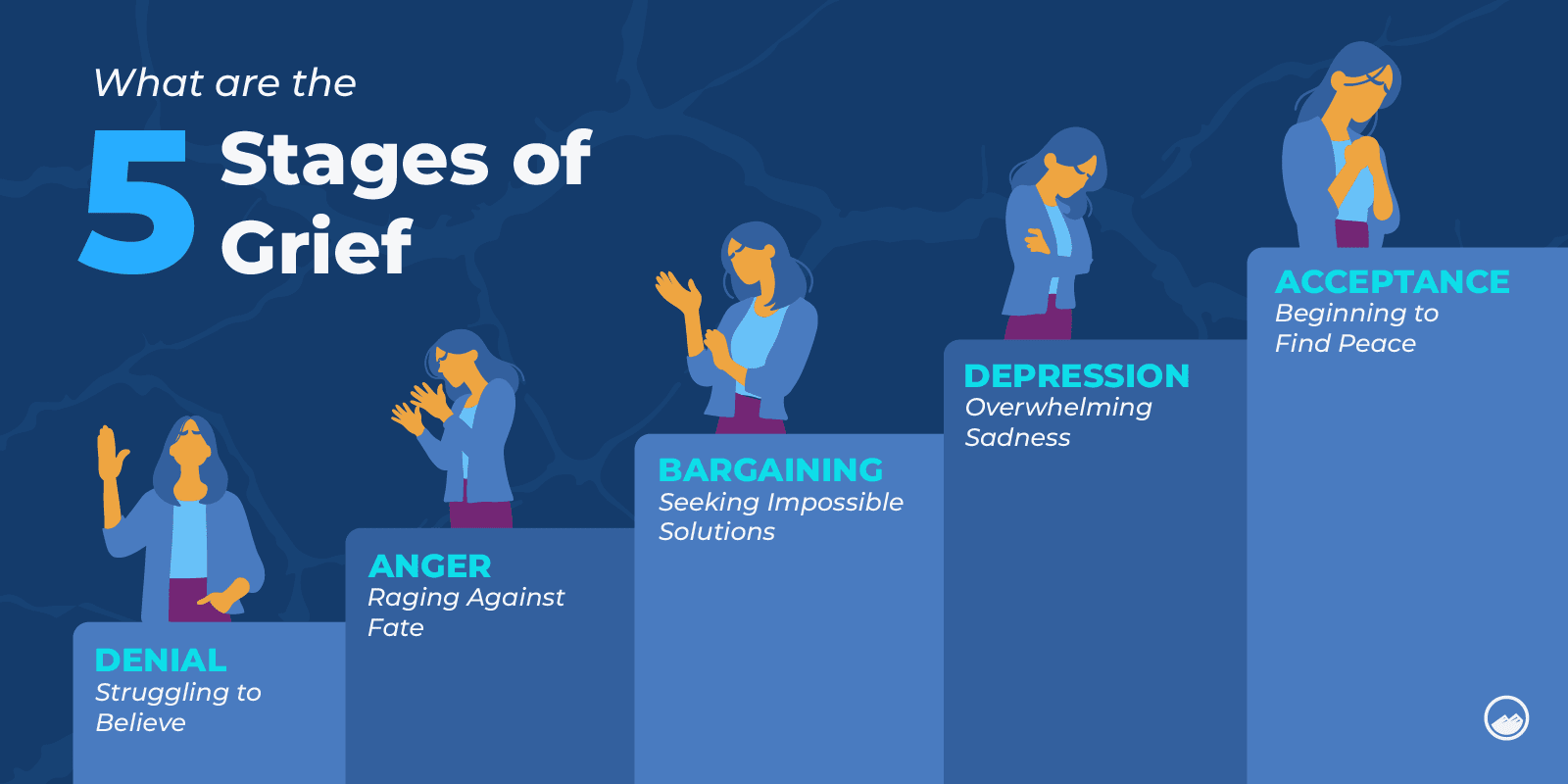
Individuals speak about the 5 phases of grief as: denial anger negotiating clinical depression approval. Actually, we do not experience feelings of despair one by one or in a certain order. We understand that there are no arrange that everyone experiences. You may experience these things because they are all typical feelings of pain.
Some individuals really feel numb after the fatality of a person they cared about. If you experience this, it could be due to the fact that it's simply also tough to think that the individual you recognize so well is not coming back.
Burnout in Healthcare
Perhaps they assure themselves that they will certainly currently always do (or not do) something, believing that it could make the person that has actually died returned. Or maybe they believe it will quit any person else dying or other bad things taking place. This is occasionally called 'enchanting reasoning'. People might additionally discover that they maintain going back over the past and ask whole lots of 'what happens if' questions, desiring that they might return and alter things to make sure that they could have ended up in a different way.
These sensations can be very extreme and painful, and they may come and go over several months or years. But lots of people locate that agonizing feelings similar to this become less strong over time. If you do not feel this is the case for you, then you ought to ask for help.
Her version became widely accepted as a way to understand grief, however over time, pain counsellors and scientists broadened upon it, causing the development of the. This extensive design includes additional psychological responses that individuals may experience: The preliminary response to loss typically brings shock and shock. This stage acts as a safety device, permitting us to soak up the reality of our loss in workable dosages.
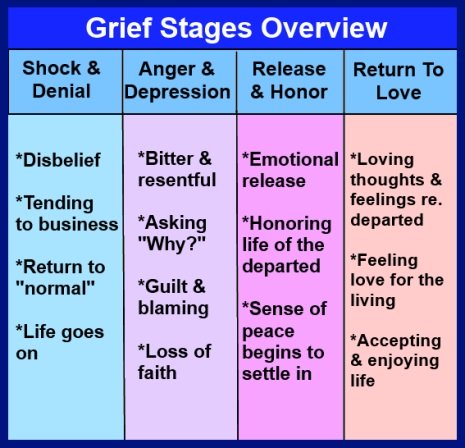
Feelings of regret or sense of guilt might arisewondering if you might have done something in different ways, or feeling sorrow over points left unsaid. Pain can manifest as angertoward on your own, others, or even the individual that has passed.

Latest Posts
Chronic Pain Connection
Targeted Approaches to Unique Challenges
Harsh Judge Part Demanding You're Doing It Wrong in Napa, CA